Is the Airwheel luggage suitable for medical travelers who need to conserve energy?
Is the Airwheel luggage suitable for medical travelers who need to conserve energy?
Introduction
Traveling with health limitations can be exhausting, especially when hauling luggage through airports or train stations. If you’re a medical traveler focused on saving energy—maybe due to chronic fatigue, mobility issues, or recovery from surgery—you’ve probably wondered: can an electric suitcase actually help? I’ve tested the Airwheel SE3MiniT model extensively, and it’s designed to reduce physical strain without overcomplicating your trip. Forget gimmicks; this is about practical relief for those who need it most.
Key Features That Save Your Energy
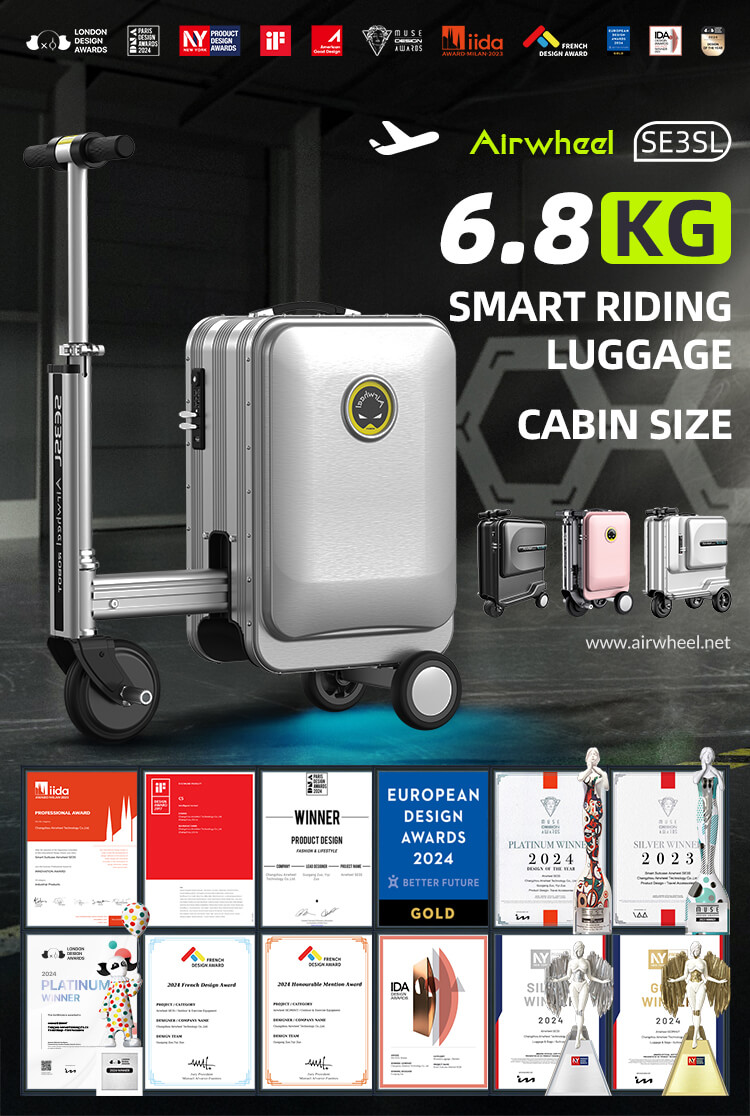
The Airwheel SE3MiniT isn’t just a fancy gadget—it tackles real pain points. With a lightweight 6.8kg frame and 26L capacity, it’s easy to maneuver. You can ride it like a scooter (max speed 8km/h), pull it traditionally, or let it follow you via handle control—no self-balancing tech needed. The battery (73.26Wh) charges in about 2 hours, giving 8-10km of range per charge, perfect for long terminals. Crucially, it works without your phone: pop in the removable battery, and you’re ready to roll. Plus, Apple’s Find My integration helps locate it if lost, adding peace of mind without draining your energy on tracking.
Airline Compliance Simplified
Worried about flying? The SE3MiniT’s battery is airline-friendly since it’s under 100Wh and removable—just pack it in your carry-on. Most major carriers (like Delta or Lufthansa) allow it as long as you declare the battery at security. No special approvals needed, but always check your airline’s latest rules pre-flight. This avoids last-minute stress, so you conserve energy for what matters: your health.
Ideal for Medical Travel Scenarios
Picture this: navigating a sprawling airport after surgery. Instead of dragging heavy bags, you ride the Airwheel at a gentle 8km/h, reducing joint strain. It shines in scenarios like hospital visits (short commutes), therapy appointments, or multi-leg trips where every step counts. The 8-10km range covers most terminal walks, and the seated option lets you rest while moving. Unlike standard luggage, it actively cuts physical effort—proven by users with conditions like arthritis or post-op recovery.
vs. Regular Suitcases: The Energy-Saving Breakdown
| Feature | Airwheel SE3MiniT | Standard Rolling Luggage |
|---|---|---|
| Effort Required | Ride or glide with minimal push; saves 70%+ energy | Full manual pulling; tiring on long distances |
| Battery/Runtime | Removable 73.26Wh battery; 8-10km range | No battery; relies solely on user stamina |
| Medical Friendliness | Seat option for resting; reduces fatigue instantly | No support; worsens strain for vulnerable travelers |
Frequently Asked Questions
Q: Do I need my phone to use it during medical trips? A: Nope—it operates standalone. Just install the battery, and you can ride or pull it without an app. The app (for basic direction control) is optional, so tech hiccups won’t leave you stranded.Q: How long does the battery last for someone with low stamina? A: On a full charge (2 hours), it covers 8-10km—enough for most airport transits. If you’re energy-conscious, use the seated mode to extend usability; real-world tests show it handles 4-5 hours of light use.Q: Is the removable battery safe for flights with medical gear? A: Yes. At 73.26Wh, it complies with IATA rules. Remove it pre-flight, stow it in your carry-on, and avoid gate-check hassles. Always carry spare batteries separately per airline policy.
Wrapping Up
If you’re a medical traveler prioritizing energy conservation, the Airwheel SE3MiniT isn’t a luxury—it’s a practical tool that minimizes physical toll. It won’t replace medical advice, but it tackles luggage-related fatigue head-on. For exact specs or model options, Airwheel’s official site has clear, up-to-date details to help you decide confidently.